Designers, like other rarified and avowedly non-essential personnel, are skewered on the horns of an elitist dilemma. ‘Instant’ imaging software like Canva has democratised the discipline and unlocked personal creativity, with varying degrees of aesthetic success. Arguably, it has also devalued the stock and cache of the design professional, compromising pricing structures, jeopardising market share and driving everdiminishing returns.
“Won’t somebody think of the graphic designers?” comes the plaintive cry, from those with a vested interest in fostering design literacy…
In acknowledgement of this unspoken paradox, I’d long anticipated a means of opening out the design process for community participation, eventually staging a minor intervention with some potential for expansion.
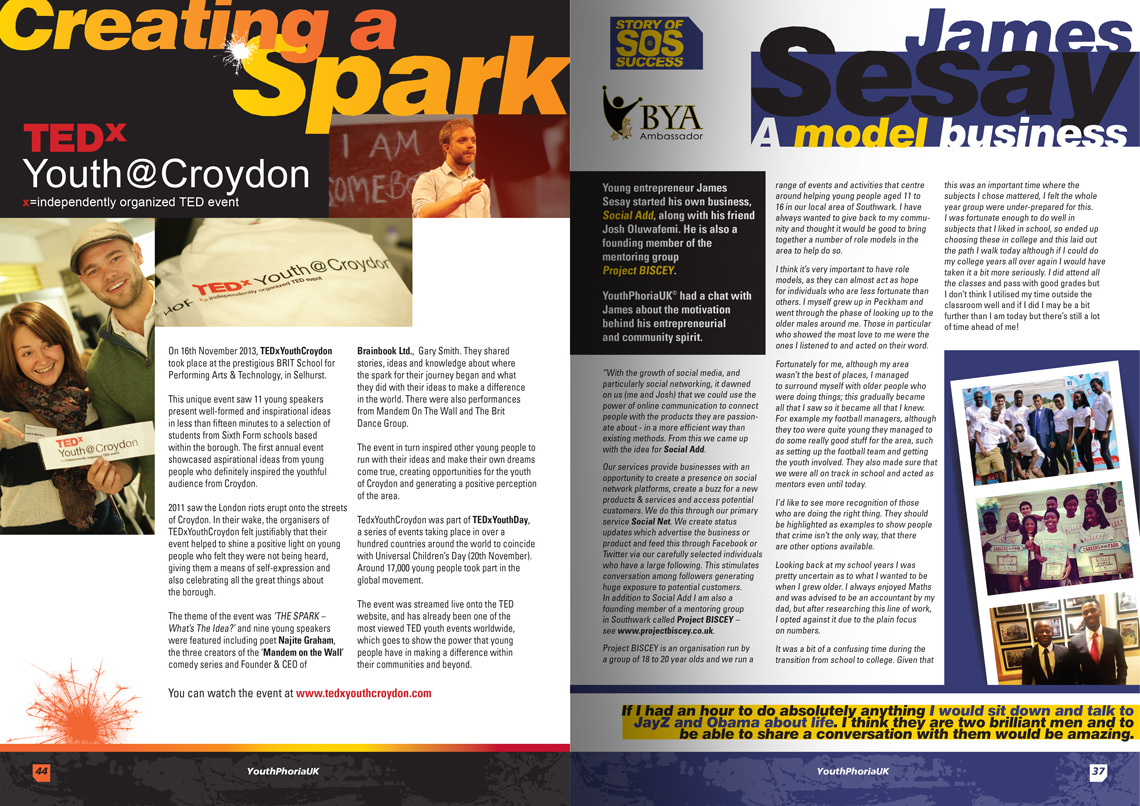
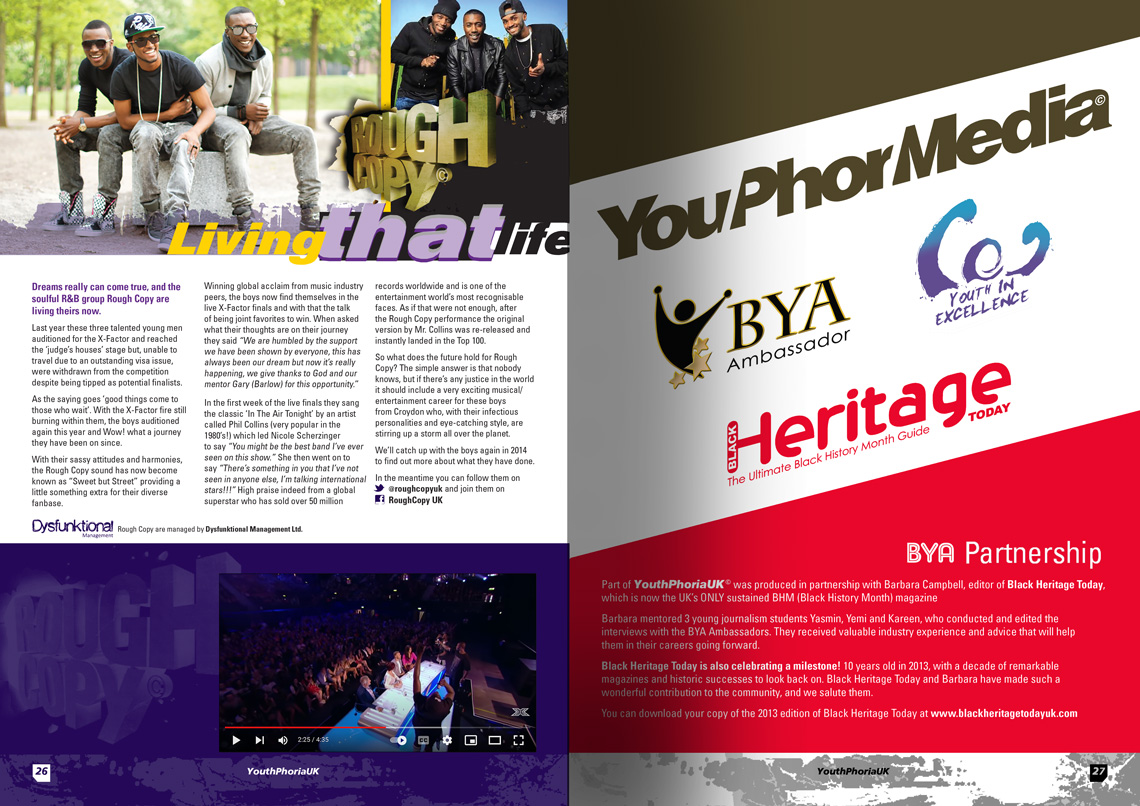
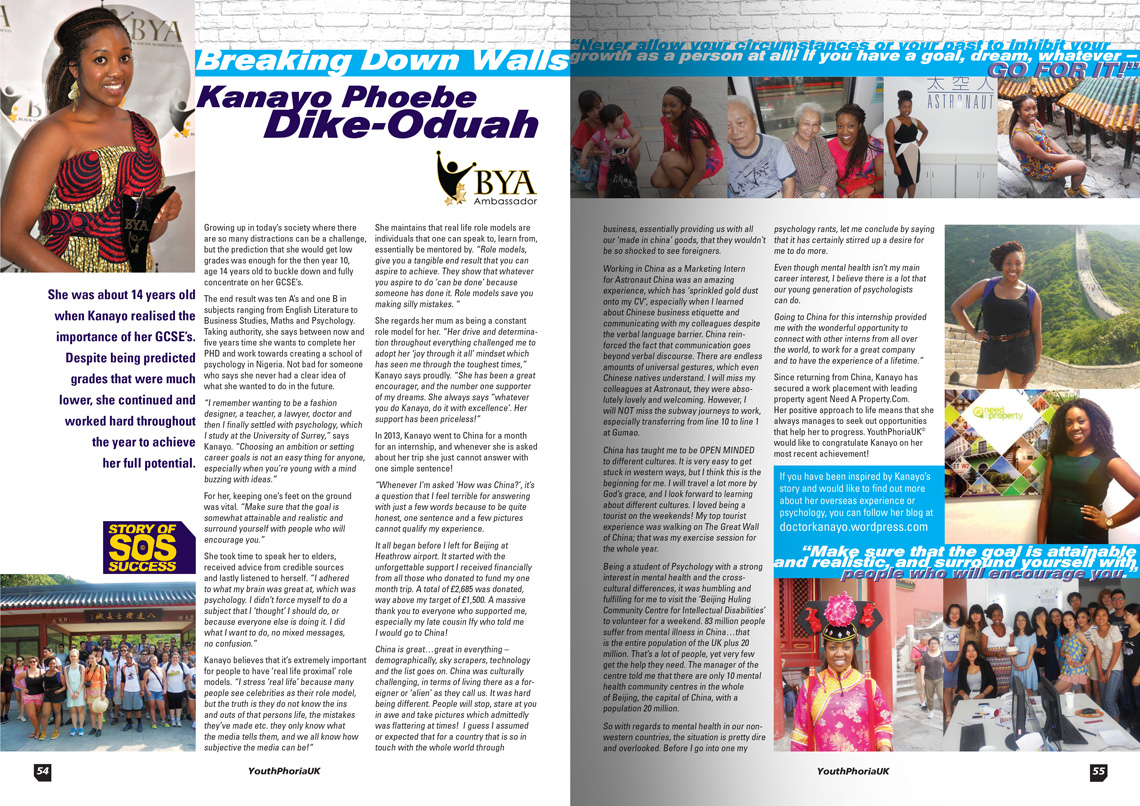
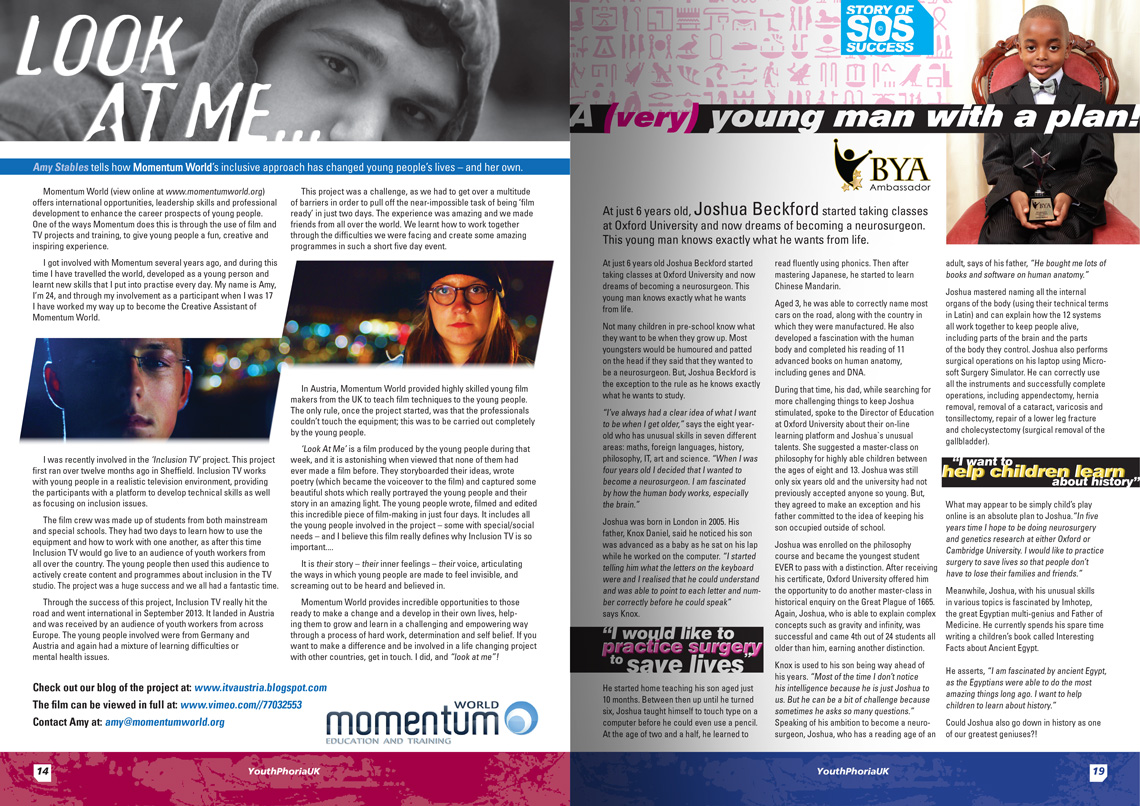
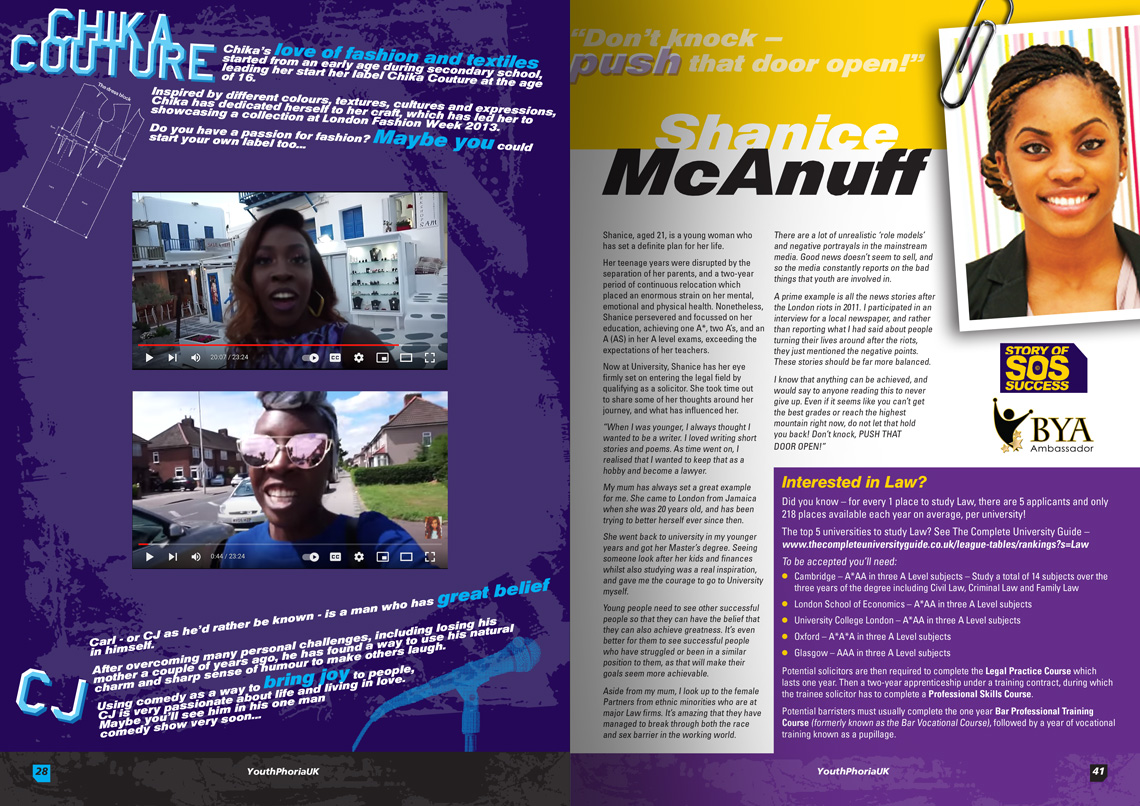
Having supported the pioneering Black Youth Achievements Awards from their inception in 2009, I was delighted to be asked to work on a practical initiative to encourage engagement with three of its core categories; Business and Enterprise, Education and S.T.E.M. (Science, Technology, Engineering & Maths).
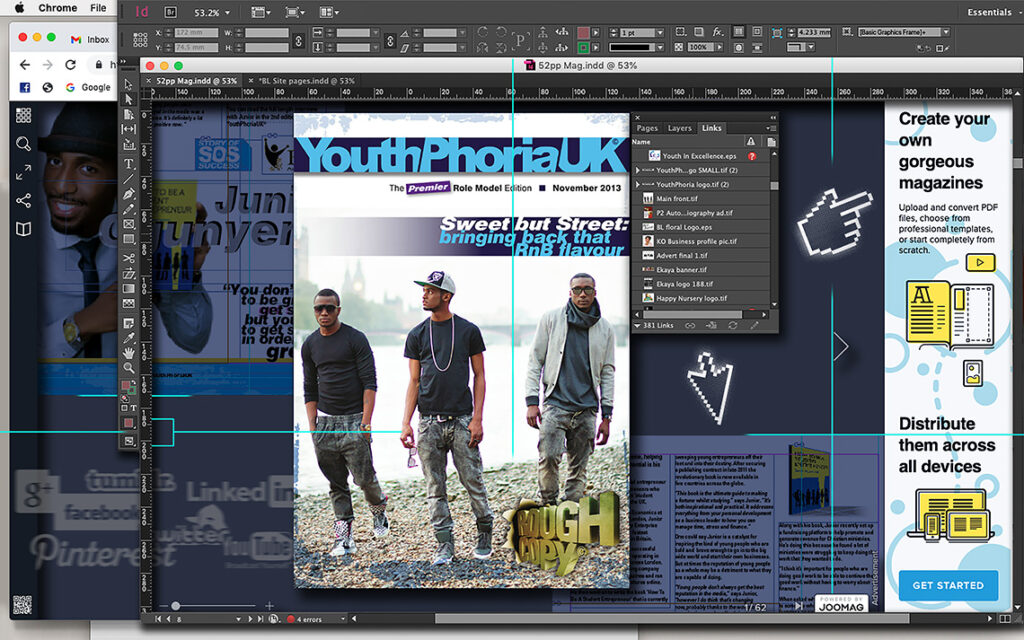
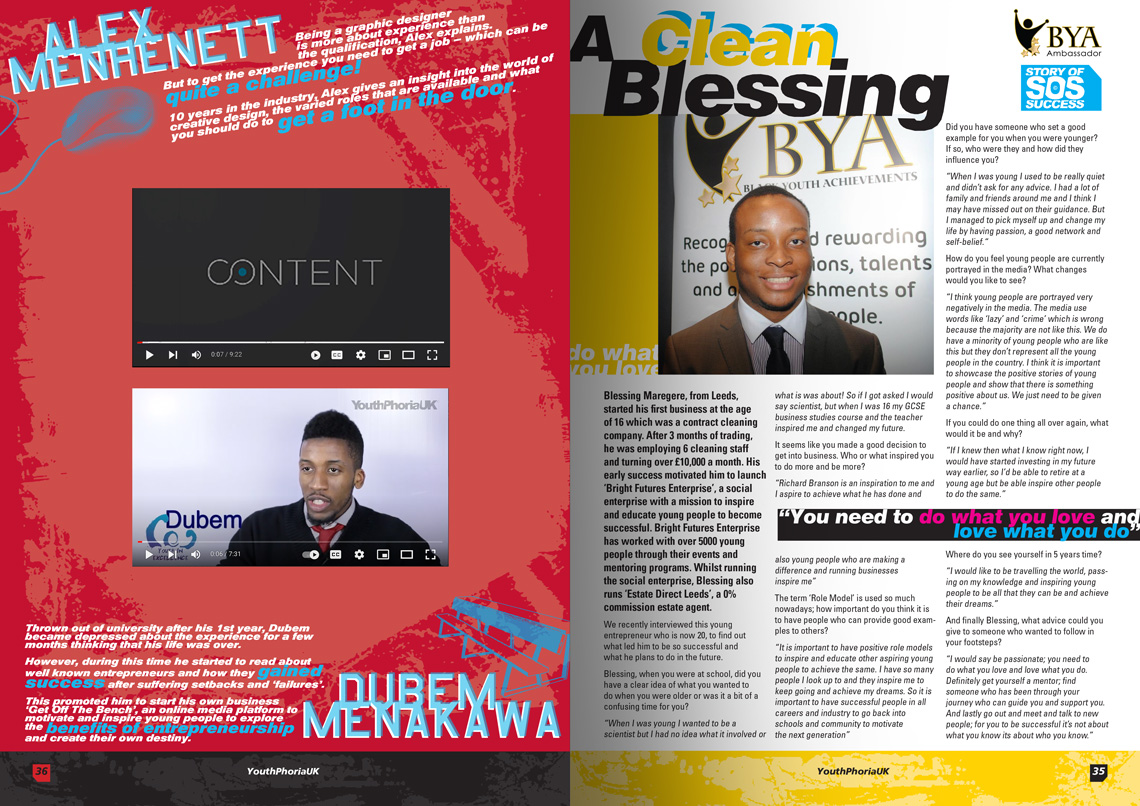
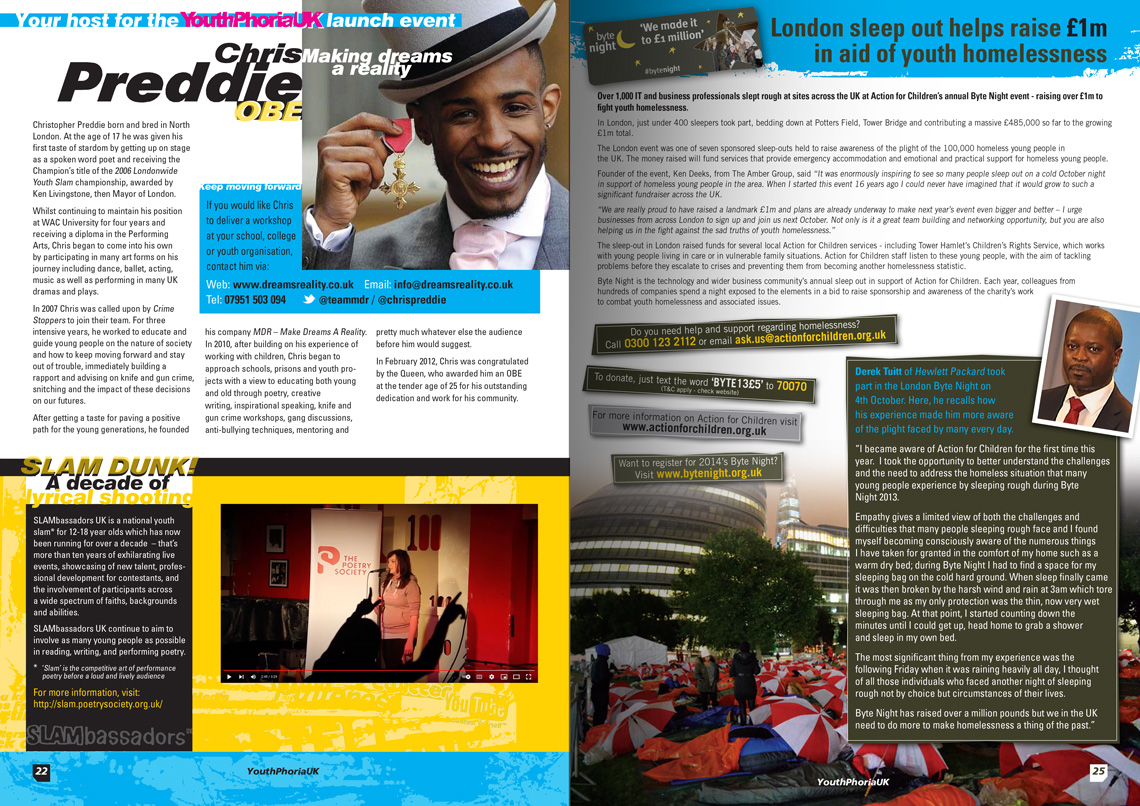
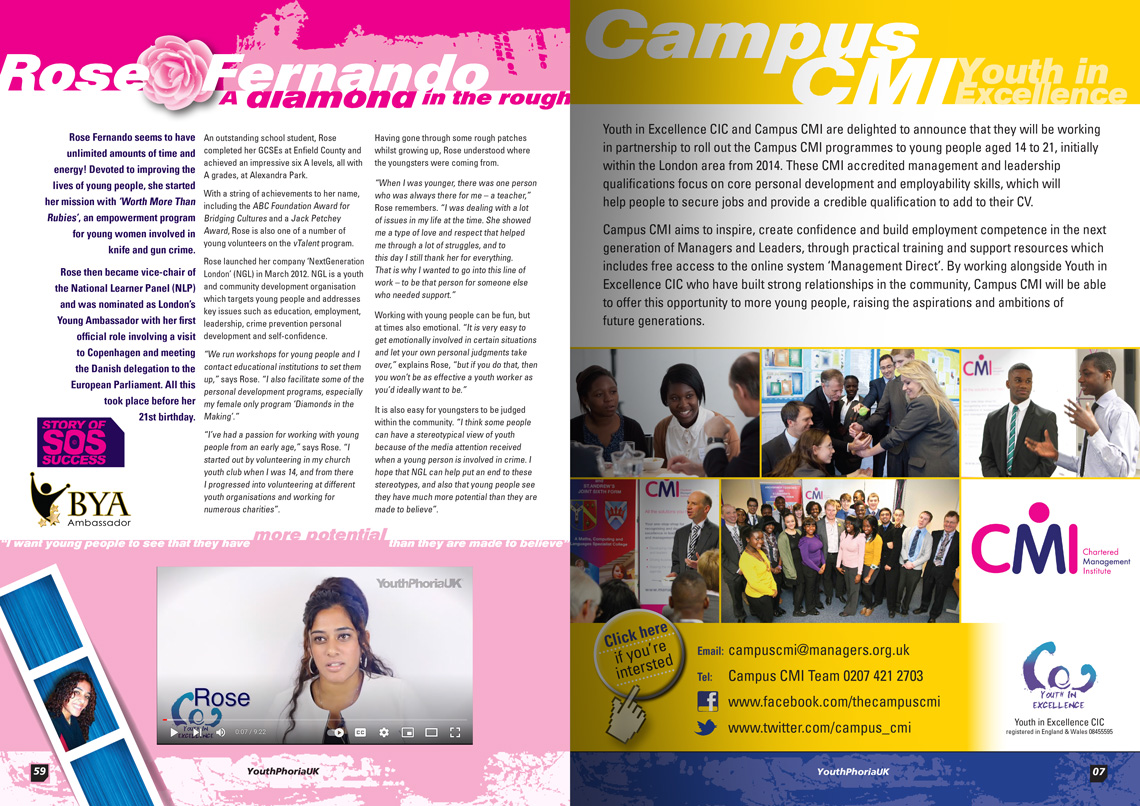
The resultant 60 page magazine highlighted the professional development of award winners as they moved into mentorship, and was published to the Joomag platform. Accompanying this were downloadable artwork files, bundled as discreet elements to be repositioned on adjustable templates. ‘Remix’ methodology has been appropriated of late by pop psychologists and lifestyle gurus, but lends itself particularly well to the sequential linearity of digital design, allowing for infinite customisation.
The intention was to encourage thinking about the ordering, emphasis and placement of information – the fundamental building blocks of design – and, whilst participation was limited by access to Adobe software, presented an approach which is ripe for adaptation to exciting entry-level platforms like Affinity.